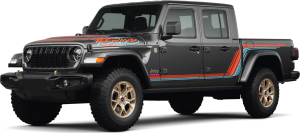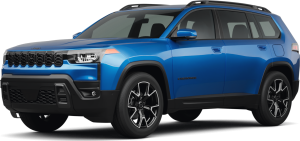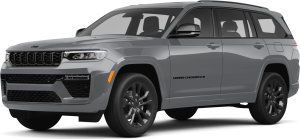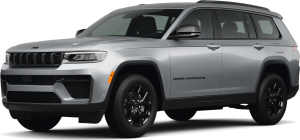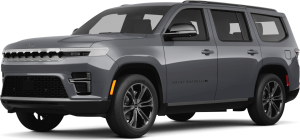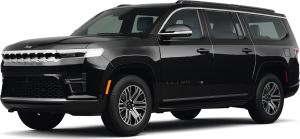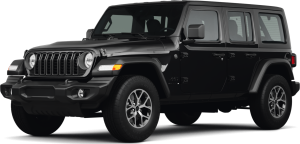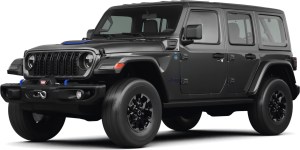
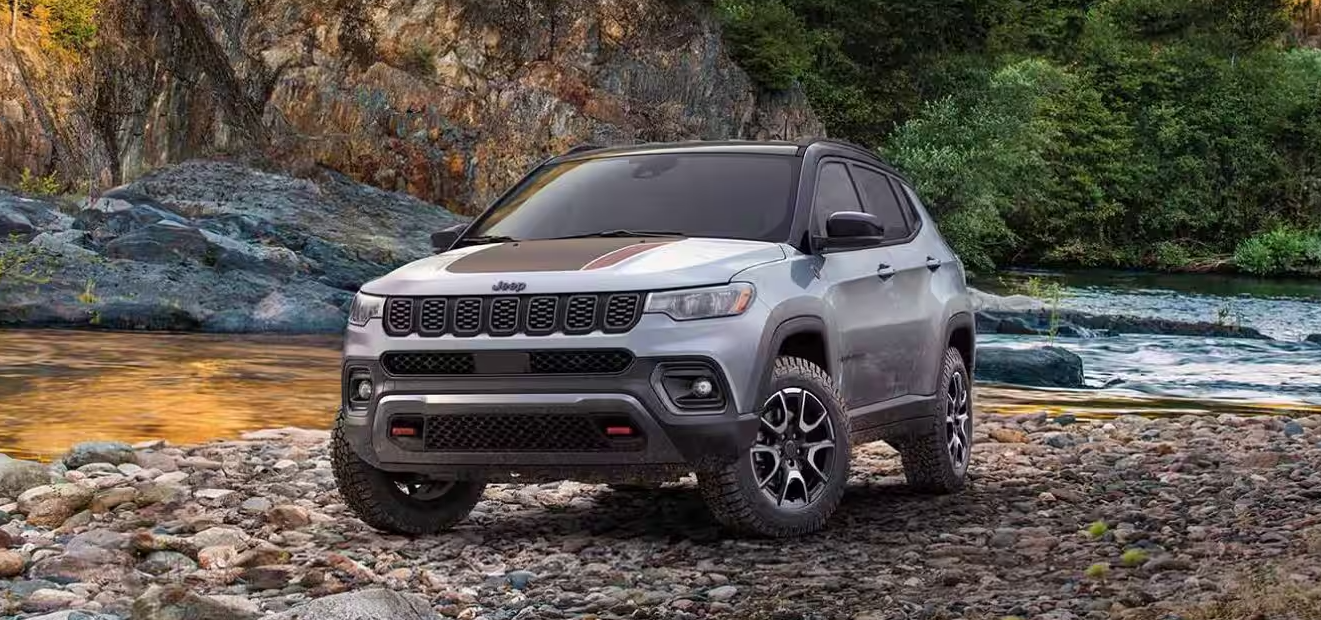
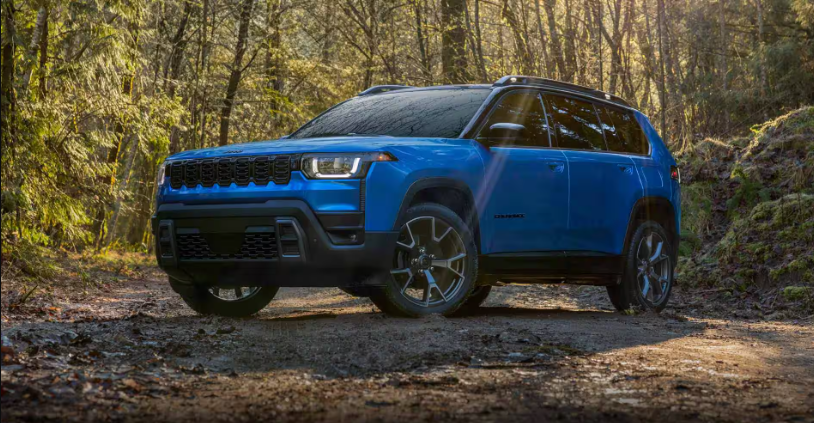
What if the Jeep you think is perfect for you is actually the wrong pick for your daily drive through Alberta's unpredictable roads? At Red Deer Dodge, we hear this question often. Customers come in with one model in mind and leave with a different one after learning the real differences between these two SUVs. They share the iconic seven-slot grille and Jeep DNA, but they serve distinct purposes on Canadian roads.
The Jeep Compass vs Cherokee differences go deeper than size and price. From engine choices and off-road systems to cargo space and daily fuel costs, each model is built for a different kind of driver. Whether you're commuting through Red Deer or heading out to the Rockies on weekends, choosing the right SUV matters — and we're here to help you get it right.
Our team at Red Deer Dodge serves families across central Alberta, including drivers coming from Innisfail and Sylvan Lake. Call us at (403) 346-2035 to book a test drive on both models, or keep reading for our complete breakdown.
Key Design Philosophy: How These Two Jeeps Are Different by Purpose
Despite sharing the same badge, the Compass and Cherokee were built with very different buyers in mind. Understanding that design intent is the fastest way to figure out which one suits you.
The Jeep Compass — Built for Urban Efficiency
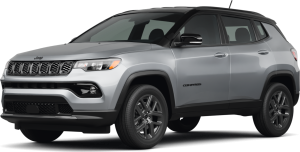
The Compass is Jeep's answer to the compact SUV market. It has sleek, modern lines and a smaller footprint that makes it genuinely easy to manoeuvre in tight city traffic and parking garages. It's aimed at first-time SUV buyers and young families who want the Jeep brand experience with better fuel economy and a more manageable size. The 2024 Compass received upgrades to its technology and interior styling, making it one of the sharper-looking options in its class.
The Jeep Cherokee — Built for Versatility and Adventure
The Cherokee is a compact SUV that leans firmly toward capability. Its wider stance, stronger available engine, and more advanced 4x4 systems make it the right call for drivers who split time between urban roads and trail weekends. It received a significant refresh in 2019 with updated front styling and improved powertrains, and it continues to be the go-to choice for outdoor enthusiasts and larger families who need more towing capacity and passenger room.
Target Buyer Comparison
| Feature | Jeep Compass | Jeep Cherokee |
|---|---|---|
| Primary Buyer | Young families, city commuters | Outdoor enthusiasts, larger families |
| Driving Focus | Urban comfort and efficiency | Trail-ready versatility |
| Design Tone | Sleek, modern | Bold, rugged |
Compass vs Cherokee Size Difference
The size gap between these two models is real, and it has everyday implications — from how easily you can park at Bower Place to how stable you feel on Highway 2 in crosswinds. Here's how the key dimensions compare:
Exterior Dimensions Breakdown
| Dimension | Jeep Cherokee | Jeep Compass | Difference |
|---|---|---|---|
| Overall Length | 4,624 mm (182.1 in) | 4,404 mm (173.4 in) | 220 mm (8.7 in) |
| Wheelbase | 2,719 mm (107.1 in) | 2,636 mm (103.8 in) | 83 mm (3.3 in) |
| Ground Clearance (Trailhawk) | 221 mm (8.7 in) | 216 mm (8.5 in) | 5 mm (0.2 in) |
Wheelbase, Ride Quality, and Manoeuvrability
The Cherokee's longer 2,719 mm wheelbase means a noticeably smoother highway ride and more rear-seat legroom. Its greater length does come with a wider turning circle, which is worth thinking about if you regularly navigate tight urban environments or multi-storey parking lots. The Compass's shorter 4,404 mm body makes it noticeably more nimble in the city — a clear advantage for Red Deer's busier streets and shopping areas.
Ground Clearance and Winter Capability
Both Trailhawk models offer excellent ground clearance for Alberta winters. The Cherokee's 221 mm gives it a 5 mm edge over the Compass, which is meaningful on deeper snow or rutted gravel roads. For everyday winter driving — icy highway off-ramps, snow-packed subdivisions, and light gravel — both models perform confidently.
Cherokee vs Compass Interior Space
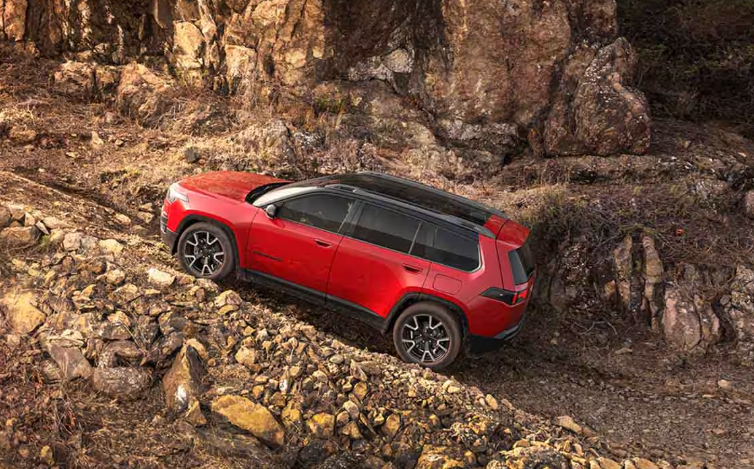
This is where the comparison gets interesting — and where many buyers are genuinely surprised. The results don't go entirely the way you'd expect from the size difference.
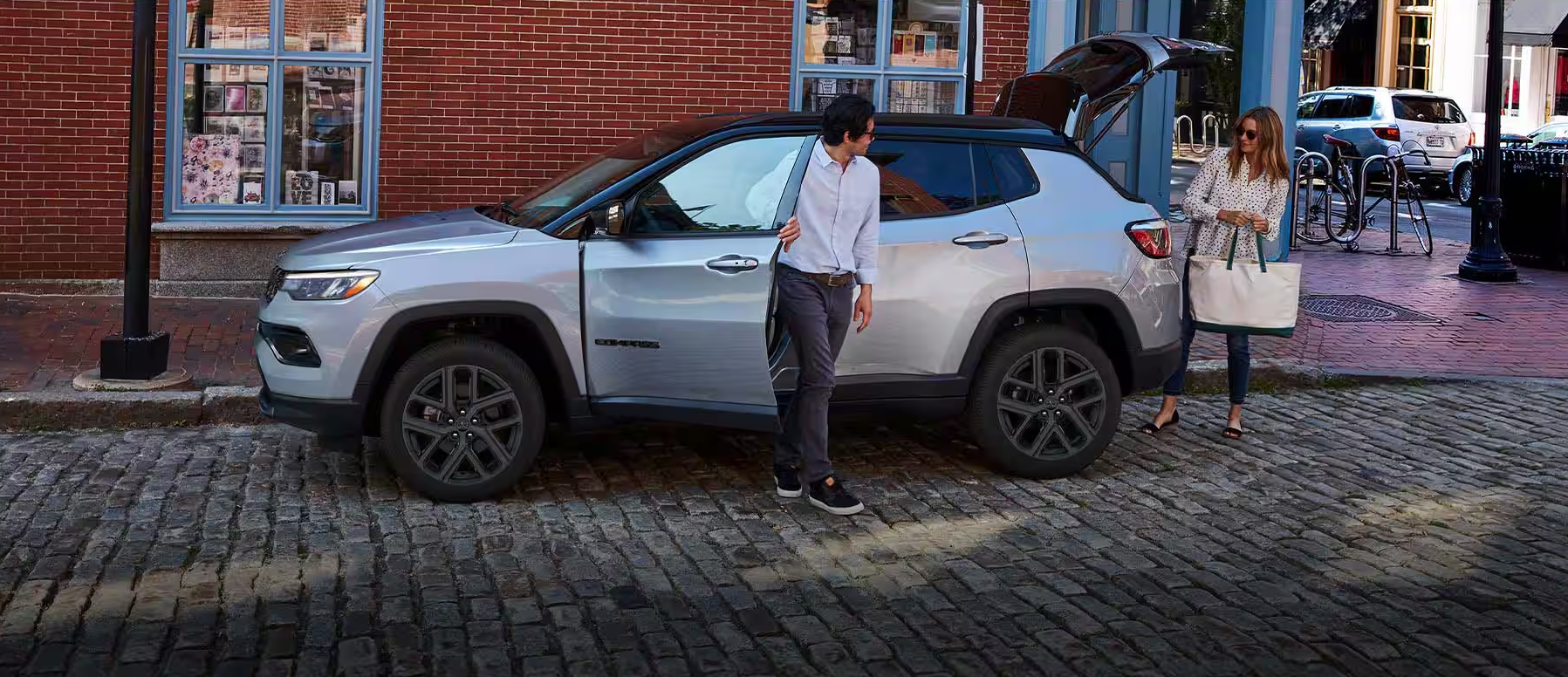
The Cherokee carries more total passenger volume at approximately 3,567 litres versus the Compass's 3,387 litres, giving rear-seat passengers a bit more breathing room. But when it comes to cargo, the Compass pulls ahead. It offers 770 litres behind the rear seats compared to the Cherokee's 730 litres, and when both rows fold flat, the Compass reaches 1,693 litres versus the Cherokee's 1,555 litres. For Canadian families hauling hockey bags, strollers, or camping gear, that extra cargo room in the Compass is a genuine advantage.
| Interior Measurement | Jeep Cherokee | Jeep Compass |
|---|---|---|
| Passenger Volume | 3,567 litres | 3,387 litres |
| Cargo Behind Rear Seats | 730 litres | 770 litres |
| Max Cargo (Seats Folded) | 1,555 litres | 1,693 litres |
| Seating Material (Base Trim) | Cloth | Cloth |
| Available Premium Leather | Yes | Limited trims |
On seating comfort, the Cherokee's upper trims offer premium leather that elevates the cabin feel considerably. The Compass uses cloth on most trims, which is practical and easy to maintain — a real benefit for Alberta families with kids and pets. Both front rows are genuinely comfortable for long drives, and the Cherokee's rear passengers benefit from its longer wheelbase.
Jeep Compass Cherokee Price Comparison
Price is one of the clearest differences between these two models, and understanding where the gap comes from helps you decide whether the Cherokee's extras are worth the step up for your family.
Base Model Pricing in Canada
The Compass Sport starts at approximately $37,000 CAD — making it one of the most accessible Jeep SUVs available. The Cherokee Sport opens at around $42,000 CAD, a $5,000 premium at the entry level. That gap reflects the Cherokee's larger body, more powerful available engine, and more advanced 4x4 systems.
Trim Level Pricing Overview
| Trim Level | Compass (Approx. CAD) | Cherokee (Approx. CAD) |
|---|---|---|
| Sport | $37,000 | $42,000 |
| North | $39,500 | $44,500 |
| Altitude | $41,000 | $46,000 |
| Limited | $43,500 | $48,500 |
| Trailhawk | $44,000 | $49,500 |
Financing Options at Red Deer Dodge
Our finance team works with multiple lenders across Alberta to find competitive rates for both models. Whether you're looking for a low monthly payment on a lease or want to pay off your vehicle quickly with a purchase plan, we can structure a deal that works. Drivers from Innisfail, Sylvan Lake, and across central Alberta are welcome to call us at (403) 346-2035 to ask about current incentives and available inventory.
Compass vs Cherokee Off-Road Capability
Both the Compass and Cherokee carry Jeep's legendary trail DNA, but they're built for different levels of off-road ambition. If your adventures go beyond gravel roads and packed snow, the differences here matter significantly.
Trail Rated Systems
Trailhawk trims on both models earn Jeep's Trail Rated badge, which requires passing tests across five categories: traction, ground clearance, manoeuvrability, articulation, and water fording. That said, the Cherokee Trailhawk fords water up to 610 mm deep, while the Compass Trailhawk handles up to 508 mm — a 102 mm gap that matters when crossing Alberta's spring runoff streams or flooded trails in the foothills.
4x4 Technology Differences
This is where the two models diverge most significantly. The Cherokee Trailhawk uses Active Drive Lock, which includes a rear electronic locking differential that sends equal power to both rear wheels. This gives it a real edge in deep mud, on rocky trails, and in situations where one wheel loses traction. The Compass Trailhawk uses Active Drive Low, which provides a lower gear ratio for slow, controlled crawling over obstacles — capable for light trail use, but short of the Cherokee's rock-crawling ability.
Terrain Management Comparison
| Terrain Mode | Compass Trailhawk | Cherokee Trailhawk |
|---|---|---|
| Auto | Yes | Yes |
| Snow | Yes | Yes |
| Sand | Yes | Yes |
| Mud | Yes | Yes |
| Rock | No | Yes |
| Water Fording Depth | 508 mm | 610 mm |
| 4x4 System | Active Drive Low | Active Drive Lock |
The Cherokee's exclusive Rock mode and rear locker make it the stronger pick for serious trail weekends in Kananaskis or the Clearwater Forest. The Compass is an excellent choice for gravel roads, snowy highways, and the kinds of off-road light-duty situations that most Alberta families actually encounter. If you're weighing your options between a compact and a larger platform, our Grand Cherokee vs Grand Cherokee L guide covers a similar capability comparison one class up.
Engine Performance and Fuel Economy
Both the Compass and Cherokee share a base engine, but the Cherokee's optional V6 gives it a clear performance advantage for towing and highway power.
Both models start with the 2.4L Tigershark four-cylinder producing 180 hp (134 kW) and 175 lb-ft (237 Nm) of torque — a solid engine for daily commuting and weekend road trips across the Prairies. The Cherokee goes a step further with an available 3.2L Pentastar V6 producing 271 hp (202 kW) and 239 lb-ft (324 Nm) of torque. That extra power is noticeable when merging onto Highway 2 or towing a boat to Sylvan Lake. Both engines pair with a nine-speed automatic transmission.
| Specification | Jeep Compass (2.4L) | Cherokee (2.4L) | Cherokee (3.2L V6) |
|---|---|---|---|
| Horsepower | 180 hp (134 kW) | 180 hp (134 kW) | 271 hp (202 kW) |
| Torque | 175 lb-ft (237 Nm) | 175 lb-ft (237 Nm) | 239 lb-ft (324 Nm) |
| Combined Fuel Economy | 9.4 L/100km | 9.8 L/100km | 10.7 L/100km |
| Transmission | 9-speed automatic | 9-speed automatic | 9-speed automatic |
The Compass's 9.4 L/100km combined rating makes it the more economical choice for everyday driving — a meaningful difference over thousands of kilometres on Alberta roads. If maximum power and towing capability are priorities, the Cherokee V6 is the right engine; if fuel savings matter more, the Compass wins this category decisively.
Compass vs Cherokee Features and Technology
Both models use Jeep's Uconnect infotainment platform and come well-equipped with connectivity and driver assistance tech. The differences emerge at specific trim levels.
Infotainment System Comparison
Both the Compass and Cherokee start with a 7-inch Uconnect touchscreen on base models, upgrading to 10.1 inches on higher trims. Wireless Apple CarPlay, Android Auto, Bluetooth streaming, built-in navigation, and voice commands are standard across both lineups. Connectivity is a strength of both models regardless of which trim you choose.
Driver Assistance Technologies
Blind-spot monitoring, adaptive cruise control, and lane-keeping assist are available on both models — valuable features for long stretches of the Queen Elizabeth II Highway. The Cherokee adds a hands-free power liftgate on upper trims, which is a practical convenience for families loading groceries or gear without a free hand.
Comfort and Convenience Feature Comparison
| Feature | Jeep Compass | Jeep Cherokee |
|---|---|---|
| Base Touchscreen Size | 7-inch Uconnect | 7-inch Uconnect |
| Available Touchscreen Size | 10.1-inch | 10.1-inch |
| Wireless Charging Pad | Available (Limited) | Available (Limited) |
| Ambient LED Lighting | Available (Limited) | Not Available |
| Hands-Free Power Liftgate | Not Available | Standard (Upper Trims) |
| Dual-Zone Climate Control | Available | Standard (Upper Trims) |
| Adaptive Cruise Control | Available | Available |
| Blind-Spot Monitoring | Available | Available |
The Compass's Limited trim brings wireless charging and ambient LED lighting — a more premium feel at a lower price point. The Cherokee counters with dual-zone automatic climate control on upper trims, allowing the driver and front passenger to set independent temperatures — a meaningful upgrade on long family road trips across the Prairies.
Jeep Compass and Cherokee Reliability and Warranty
Both models are backed by the same Jeep warranty coverage, and both perform reliably with regular maintenance — important considerations for Alberta's demanding climate.
Warranty Coverage in Alberta
Both the Compass and Cherokee come with a 3-year/60,000 km basic warranty and a 5-year/100,000 km powertrain warranty, honoured at any authorized Canadian dealer. Red Deer Dodge at 29 Petrolia Dr has factory-trained technicians handling all warranty work and scheduled maintenance for both models.
Recommended Maintenance Schedule
| Service Item | Recommended Interval | Applies To |
|---|---|---|
| Engine Oil and Filter Change | Every 8,000 km or 6 months | Compass and Cherokee |
| Transmission Fluid Replacement | 96,000 km | Compass and Cherokee |
| Spark Plug Replacement | 160,000 km | Compass and Cherokee |
| Brake Fluid Flush | Every 2 years | Compass and Cherokee |
| Coolant Replacement | 120,000 km | Compass and Cherokee |
Common Issues and What to Know
Some Compass owners in cold climates report transmission hesitation in extreme cold — typically resolved with a transmission fluid service. Cherokee drivers occasionally notice minor suspension sounds, which our technicians address quickly under warranty. Routine software updates resolve most electronics-related issues on both models. With a disciplined maintenance schedule and our team on hand, long-term ownership of either Jeep is reliable and worry-free.
Which Jeep SUV Is Right for You?
The right answer comes down to how you actually use your vehicle day to day. The Compass is the stronger choice if you primarily commute in Red Deer, value fuel savings, want a more manageable size around town, or are stepping into your first SUV. Its cargo space advantage over the Cherokee — despite being the smaller vehicle — also makes it surprisingly practical for families hauling gear.
The Cherokee earns the pick if you regularly carry more passengers and need extra legroom, want the more powerful V6 engine for towing or highway confidence, plan serious trail weekends in the foothills or Rockies, or prefer the extra space and premium leather interior on upper trims. Both 4x4 systems are built for Canadian winters, so you'll drive confidently in snow and ice no matter which you choose.
If you're also exploring larger Jeep options, our Grand Cherokee vs Grand Cherokee L comparison is a great next read. And if you're coming from Innisfail or Sylvan Lake, our team is happy to have both models ready for a side-by-side test drive. Visit us at 29 Petrolia Dr in Red Deer or call (403) 346-2035 to get started.
FAQ
What are the main Jeep Compass vs Cherokee differences?
What is the size difference between the Cherokee and Compass?
Does the Jeep Compass have more cargo space than the Cherokee?
How does fuel economy compare between the Compass and Cherokee?
Which model has better off-road capability?
What is the starting price for the Jeep Compass and Cherokee in Canada?
What warranty coverage do both models come with in Alberta?
Is the Jeep Compass or Cherokee better for Alberta winters?
Which Jeep is better for a first-time SUV buyer?
Can I get financing for the Compass or Cherokee at Red Deer Dodge?
Visit us at Red Deer Dodge