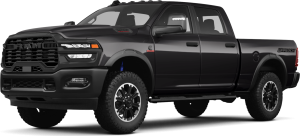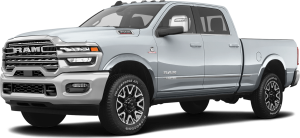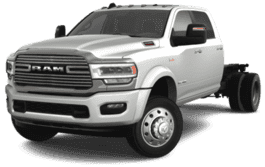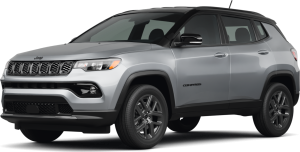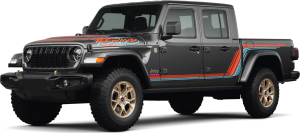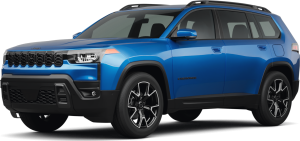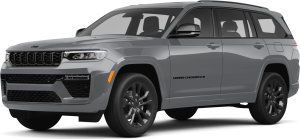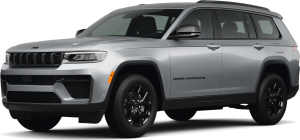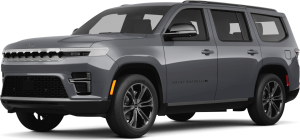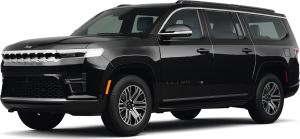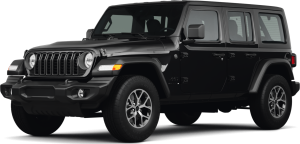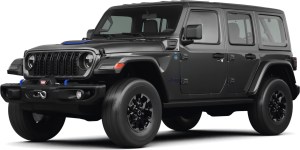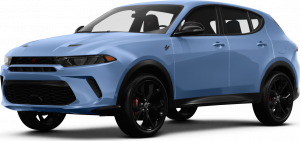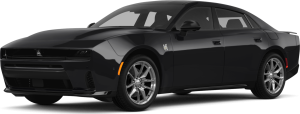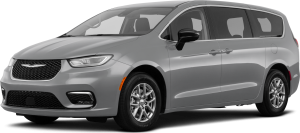
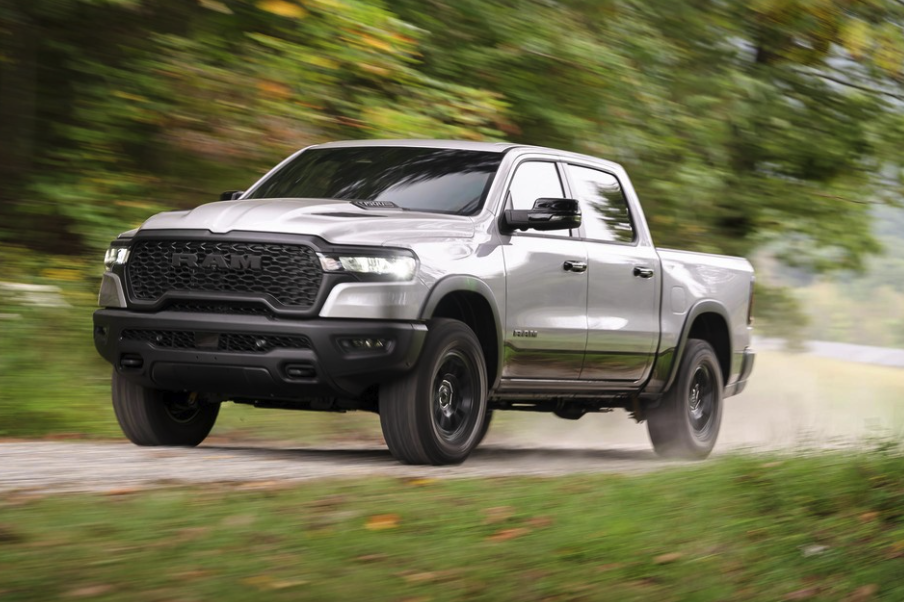
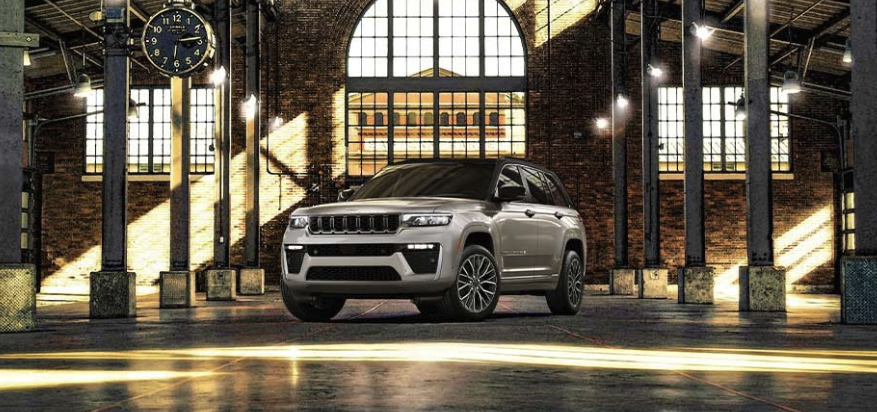
All-wheel drive distributes engine power across all four wheels automatically, giving you better traction, stability, and control on Alberta's unpredictable roads year-round. AWD systems react in milliseconds to wheel slip — before a driver can consciously respond — making them particularly effective on the QE2 Highway during ice storms, Chinook-triggered black ice, and heavy Central Alberta snowfall. For most Red Deer drivers commuting on paved roads with moderate towing needs, AWD is the right choice. For regular off-road, rural gravel, or deep backcountry use, a 4WD system like those on the RAM 1500 adds low-range gearing that AWD cannot match. Red Deer Dodge carries AWD-equipped Jeep Grand Cherokee, Dodge Durango, Chrysler Pacifica, and Jeep Cherokee models suited to every type of Alberta driving.
Key Takeaways
- All-wheel drive sends power to all four tyres, giving you better traction on icy, snowy, and wet Alberta roads.
- AWD systems adjust power distribution automatically — no driver input needed.
- Alberta's extreme temperature swings and Chinook cycles make AWD a practical choice in every season, not just winter.
- AWD works best when paired with quality winter tyres, electronic stability control, and proper vehicle maintenance.
- Red Deer Dodge carries AWD-equipped Ram, Dodge, Jeep, and Chrysler models built for Alberta's toughest conditions.
What if the one thing standing between you and a spinout on the QE2 Highway is a drivetrain feature you never thought twice about?
Driving from Edmonton to Calgary in January can feel like a white-knuckle experience. Black ice hides beneath fresh powder. Chinook winds shift road conditions in minutes. At Red Deer Dodge, we see firsthand how Alberta's weather tests every vehicle that rolls through our province — and we know which ones handle it best.
The benefits of all-wheel drive for Alberta roads go well beyond winter. Our highways, city streets, and mountain passes throw curveballs year-round. Spring thaw floods gravel shoulders. Summer storms slick the asphalt in seconds. Fall frost catches drivers off guard on early morning commutes. This guide walks you through how AWD technology works, why it matters in Alberta specifically, and which vehicles at Red Deer Dodge are best equipped for our province's conditions.
Understanding All-Wheel Drive Systems and How They Work
Modern AWD technology uses sensors, electronic clutches, and software to distribute power across all four wheels in real time. Understanding the difference between systems helps you choose the right setup for your driving habits.
The Difference Between AWD and 4WD
AWD operates automatically — the system monitors wheel slip continuously and redistributes torque without any input from the driver. The Dodge Durango, for example, runs a full-time AWD setup that's always active. Four-wheel drive systems in trucks like the Ram 1500 are typically part-time and driver-engaged, offering more raw capability for off-road and deep snow but requiring you to switch modes manually.
| Feature | AWD (Dodge Durango) | 4WD (Ram 1500) |
|---|---|---|
| Activation | Automatic, always on | Driver-engaged |
| Best Use | Highways, mixed conditions | Off-road, deep snow |
| Fuel Efficiency | Moderate | Higher when in 2WD mode |
| Driver Intervention | None required | Manual selection needed |
How Power Distribution Works
AWD systems use centre differentials, torque vectoring, and electronic clutch packs to split engine power between the front and rear axles. Jeep's Active Drive system, for instance, detects wheel slip and redirects power to the wheels with the most grip — all automatically, in milliseconds.
AWD Technologies Available at Red Deer Dodge
- Jeep Active Drive: Automatic engagement with real-time traction monitoring across the Cherokee, Grand Cherokee, and Wrangler lineup
- Dodge Durango AWD: Full-time system with rear-biased torque split for confident highway towing and stability
- Jeep Active Drive Lock: Adds a rear-axle lock for extreme off-road conditions
- Chrysler Pacifica AWD: Family-focused system offering seamless grip on snow-covered city streets and school run routes
Benefits of All-Wheel Drive for Alberta Roads
Alberta's roads demand more from a drivetrain than almost anywhere else in Canada. Here's where AWD makes a tangible difference.
Enhanced Stability on Ice-Covered Highways
On a sheet of black ice, two-wheel-drive vehicles push power through only one axle — and when that axle loses grip, the results can be dangerous. AWD distributes engine torque across all four wheels simultaneously, keeping the vehicle tracking straight even when one or two wheels lose contact with a grippy surface. Paired with winter tyres, the difference in highway stability is significant.
Improved Acceleration in Deep Snow
Central Alberta regularly sees snowfall heavy enough to bog down two-wheel-drive vehicles at intersections and on unplowed residential streets. AWD shifts power automatically to whichever wheel has traction, maintaining forward momentum through conditions that would leave a FWD or RWD vehicle spinning in place.
Better Control During Sudden Weather Changes
A dry road in Red Deer can develop icy patches within minutes during a Chinook reversal. AWD systems react in milliseconds — long before a driver can consciously adjust — keeping the vehicle stable as surface conditions shift beneath it.
| Driving Condition | Two-Wheel Drive | All-Wheel Drive |
|---|---|---|
| Acceleration on packed snow | Frequent wheel spin, slow starts | Up to 30% faster launch with less slip |
| Highway stability on black ice | Rear or front end may slide unpredictably | Power balanced across all wheels for steady tracking |
| Deep snow momentum | Easily bogged down | Maintains forward drive through drifts |
| Sudden surface changes | Delayed driver correction needed | Automatic torque adjustment in milliseconds |
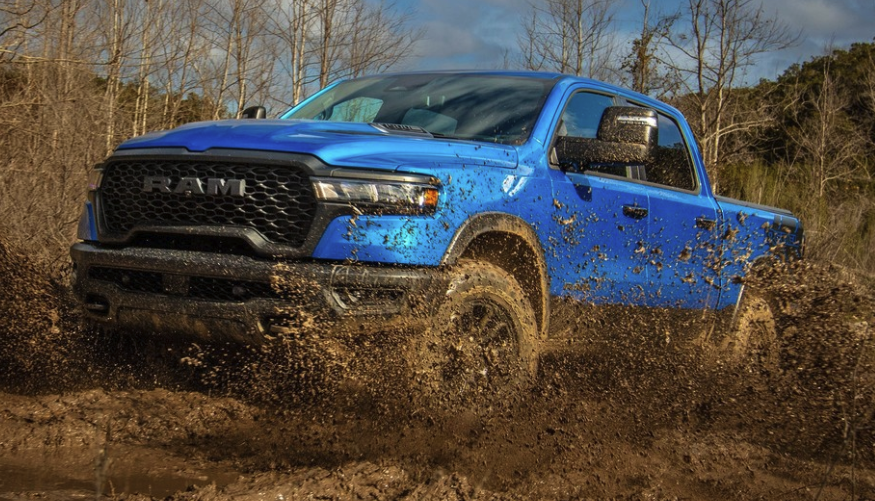
AWD Winter Driving in Alberta: Why It Makes a Real Difference
Alberta winters are serious. Red Deer receives an average of 123 cm of snow per year, and temperatures regularly drop to -40°C in exposed areas. At those extremes, the right drivetrain isn't a luxury — it's a practical safety decision.
Consider a snowy intersection on Gaetz Avenue. A two-wheel-drive vehicle often spins its drive wheels through the green light, losing control of where the vehicle goes. AWD sends power to all four contact patches simultaneously, giving you a straight, controlled launch. The same principle applies when merging onto the QE2 Highway in a blizzard — AWD allows you to match highway speeds smoothly rather than slipping and surging.
Winter safety features like traction control and anti-lock brakes are most effective when the AWD system underneath them has already kept the vehicle stable. The two work together, not independently.
| Winter Driving Scenario | Two-Wheel Drive | All-Wheel Drive |
|---|---|---|
| Intersection starts on ice | Frequent wheel spin | Balanced power to all wheels |
| Highway merging in blizzards | Sluggish, unstable acceleration | Smooth, confident speed matching |
| Unplowed residential streets | High risk of getting stuck | Continuous forward momentum |
| Icy parking lot manoeuvres | Limited directional control | Improved steering response |
AWD Safety on Icy Roads: What You Need to Know
Transport Canada data indicates that AWD vehicles are approximately 28% less likely to be involved in a collision on ice compared to two-wheel-drive vehicles. That figure reflects not just better launch traction, but the cumulative effect of better stability through turns, faster response during emergency manoeuvres, and more predictable braking behaviour.
Preventing Spinouts and Loss of Control
Spinouts happen when one set of drive wheels loses grip while the other end of the vehicle continues moving. AWD eliminates this imbalance by continuously monitoring and redistributing torque. Vehicles like the Chrysler Pacifica AWD split power across all four wheels instantly, keeping the vehicle pointed where the driver intends.
How AWD Works with Modern Safety Features
AWD doesn't operate in isolation — it works in constant communication with electronic stability control, traction control, and the anti-lock braking system. Together these systems monitor vehicle behaviour thousands of times per second and intervene before a driver can react manually.
| Safety Feature | Role with AWD | Benefit on Icy Roads |
|---|---|---|
| Electronic Stability Control | Detects skids and adjusts individual wheel braking | Prevents fishtailing during turns |
| Traction Control | Limits wheel spin on slippery starts | Smoother acceleration from stops |
| Anti-Lock Braking System | Prevents wheel lockup during hard stops | Maintains steering control while braking |
Understanding Tire Pressure in Cold Weather
Cold temperatures reduce tire pressure — roughly 1–2 PSI for every 10°C drop. Underinflated tyres reduce the contact patch that AWD relies on, degrading the system's effectiveness when you need it most. Checking tyre pressure weekly during Alberta winters is one of the simplest ways to keep your AWD performing at full capability.
| Temperature Range | Estimated PSI Loss | Impact on AWD |
|---|---|---|
| 0°C to -10°C | 1–2 PSI | Slight reduction in grip balance |
| -10°C to -25°C | 3–4 PSI | Noticeable traction imbalance |
| Below -30°C | 5+ PSI | Significant AWD performance loss |
Best AWD Vehicles for Alberta Drivers at Red Deer Dodge
Not all AWD systems are built the same — and not all vehicles pair their drivetrain with the winter comfort features Alberta drivers actually need. Here are the models our team recommends most often for Central Alberta conditions.
The Dodge Durango SXT AWD brings a 295-horsepower 3.6L V6, towing capacity up to 6,200 pounds, and available heated seats, heated steering wheel, and remote start. It's a strong choice for families who tow trailers to Sylvan Lake in summer and need a capable winter vehicle the rest of the year.
The Chrysler Pacifica AWD pairs its 3.6L V6 with an advanced AWD system and best-in-class cargo flexibility. For families with kids in hockey gear or equipment to haul, it offers the combination of interior space and winter-ready traction that's hard to match in the minivan segment.
The Jeep Cherokee Trailhawk is the off-road-focused pick. Its Jeep Active Drive Lock 4x4 system — with a rear-axle lock — makes it well-suited to gravel roads, mountain passes, and the kind of mixed-terrain driving common west of Red Deer toward Rocky Mountain House. For a closer look at how it stacks up against the Grand Cherokee, see our Cherokee vs Grand Cherokee comparison.
| Feature | Dodge Durango SXT AWD | Chrysler Pacifica AWD | Jeep Cherokee Trailhawk |
|---|---|---|---|
| Engine | 3.6L V6 (295 hp) | 3.6L V6 (287 hp) | 2.0L Turbo (270 hp) |
| Towing Capacity | 6,200 lbs | 3,600 lbs | 4,500 lbs |
| Fuel Economy (City/Hwy) | 13.1 / 9.4 L/100 km | 12.4 / 8.4 L/100 km | 10.2 / 8.1 L/100 km |
| Ground Clearance | 205 mm | 157 mm | 221 mm |
| Heated Steering Wheel | Available | Available | Standard |
| Remote Start | Available | Available | Available |
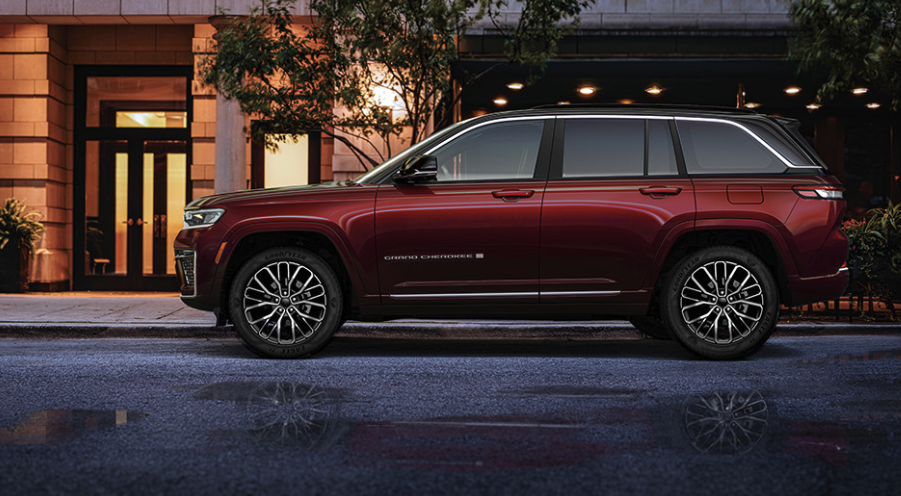
AWD vs 4WD for Alberta Winters: Making the Right Choice
The AWD vs 4WD question comes up constantly, and the honest answer depends entirely on how and where you drive. Both systems improve traction in winter, but they're designed for different use cases.
AWD is the better fit for the majority of Alberta drivers — those commuting daily in Red Deer, Calgary, or Edmonton on paved roads. It operates seamlessly without any driver input, handles sudden surface changes automatically, and adds roughly 5–7% to fuel consumption compared to two-wheel drive.
4WD makes more sense for drivers who regularly travel unpaved rural roads near Sylvan Lake or Rocky Mountain House, or who use their vehicle for serious off-road work. The Ram 1500's 4WD system delivers genuine low-range capability for deep snow and steep unplowed grades — but it costs more in fuel when engaged (10–15% more than 2WD) and requires the driver to actively switch modes.
| Feature | AWD | 4WD |
|---|---|---|
| Fuel Consumption Increase | 5–7% more than 2WD | 10–15% more when engaged |
| Engagement Type | Automatic, always active | Driver-selected, on-demand |
| Best Driving Environment | Urban streets and highways | Rural roads and off-road trails |
| Low-Range Gearing | Not available | Available for extreme conditions |
| Differential Service Interval | Every 50,000–60,000 km | Every 40,000–50,000 km |
One additional factor worth considering in Alberta is maintenance cost. Road salt and extreme temperature cycling wear drivetrain components faster than in milder climates. 4WD systems carry transfer case fluid change requirements every 50,000 km that add to long-term running costs. AWD systems are generally simpler to maintain and less exposed to those failure points. Our service team can walk you through the maintenance schedule for any drivetrain configuration before you buy.
All-Wheel Drive on Mountain Highways: Conquering the Rockies
The Icefields Parkway (Highway 93) is one of Canada's most beautiful drives — and one of its most demanding. Elevation changes are extreme, road surfaces shift from wet asphalt to packed snow to ice within a few kilometres, and weather can deteriorate from clear to whiteout without warning.
AWD keeps all four tyres in active contact with whatever surface is beneath them, which matters enormously on mountain switchbacks where the outside edge of a turn freezes well before the centre line. Kicking Horse Pass presents 8% grades with tight corners — exactly the conditions where AWD's torque redistribution provides a tangible safety margin.
| Mountain Pass | Elevation | Max Grade | Common Winter Hazard |
|---|---|---|---|
| Sunwapta Pass | 2,035 m | 6% | Blowing snow and black ice |
| Kicking Horse Pass | 1,627 m | 8% | Packed snow on switchbacks |
| Vermilion Pass | 1,640 m | 5% | Freezing rain and fog |
Year-Round Benefits: Why AWD Matters in Every Season
AWD earns its keep across all four Alberta seasons — not just December through March. In spring, Highway 21 and farm roads near Red Deer become unpredictable as freeze-thaw cycles create soft shoulders and intermittent ice patches. AWD keeps the vehicle tracking straight through these mixed surfaces without any input from the driver.
Summer brings towing season — boats to Sylvan Lake, campers to Banff, trailers to the farm. AWD-equipped vehicles handle the weight transfer of a loaded trailer more confidently on gravel launch ramps and uneven campground access roads. Come fall, wet leaves and early morning frost create slippery patches that appear without warning. AWD adjusts automatically, giving the driver a wider margin before traction is fully lost.
FAQ
What are the main benefits of all-wheel drive for Alberta roads?
What's the difference between AWD and 4WD for Alberta winters?
Is AWD really necessary for Alberta winters, or do winter tires cover it?
Which AWD vehicles at Red Deer Dodge are best suited for Alberta?
Does AWD help on Alberta mountain highways like the Icefields Parkway?